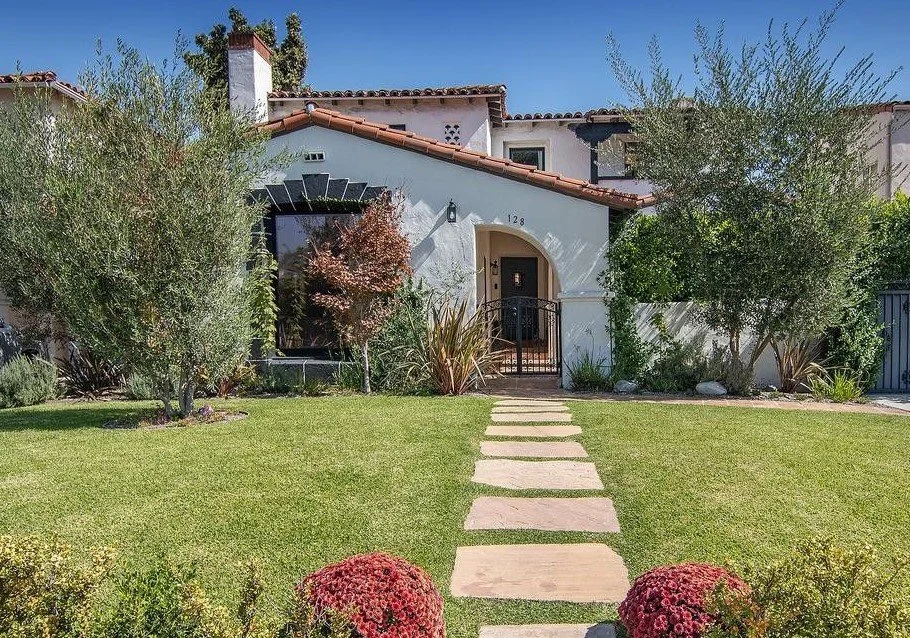
Miracle Mile is one of the most architecturally significant residential neighborhoods in Los Angeles, and one of the most underestimated by buyers who have not spent real time here.
Bordered by Wilshire Boulevard to the north, Olympic Boulevard to the south, La Brea Avenue to the east, and Fairfax Avenue to the west, Miracle Mile sits at the geographic and cultural center of Los Angeles. It is minutes from Beverly Hills, walking distance from Museum Row, and home to some of the best-preserved 1920s residential architecture in the city. It is also, as of fall 2026, a market where serious buyers are competing and serious sellers are seeing results.
I recently closed at $2,445,000 on a 1920s Spanish Revival on South Genesee Avenue -- a home that saw multiple offers and multiple counter rounds before my clients secured it. That transaction tells you everything about this market: the right home, priced correctly, attracts significant competition. And the buyers who win are the ones who come in with a clear strategy.
This guide covers what you actually need to know about Miracle Mile real estate -- the history, the architecture, the current numbers, and the honest trade-offs. Whether you are buying, selling, or simply paying attention to this part of Los Angeles, this is the resource I wish existed when I first started working here.
What Is Miracle Mile?
Miracle Mile is a historic residential and commercial neighborhood in the Mid-Wilshire district of Los Angeles. It takes its name from the Wilshire Boulevard commercial strip that developer A.W. Ross built in the 1920s and 1930s, designed specifically for automobile traffic at a time when the car was transforming how Americans moved through cities.
The residential streets south of Wilshire developed alongside that commercial strip, and by the late 1920s and through the 1930s, they were lined with single-family homes built in the architectural styles that define the neighborhood today: Spanish Colonial Revival, Tudor Revival, Craftsman, and French Normandy. Many of these homes were built during a single, concentrated period of development -- which is why the neighborhood has a visual coherence you rarely find in other parts of Los Angeles.
In 2017, the City of Los Angeles designated Miracle Mile as a Historic Preservation Overlay Zone, known as an HPOZ. That designation protects the architectural character of the neighborhood from incompatible development, which is why the streets here look today much as they did ninety years ago. For buyers, this is significant: you are not buying into a neighborhood that could be transformed by a tear-down next door. The bones of Miracle Mile are legally protected.
The Architecture: What Makes Miracle Mile Homes Different
The homes that attract the most attention in Miracle Mile -- and command the highest prices -- are the original 1920s and 1930s structures that have been maintained or thoughtfully restored.
The Spanish Colonial Revival is the dominant style. These homes are characterized by stucco exteriors, red clay tile roofs, arched windows and doorways, wrought iron details, and courtyard-style landscaping that creates a sense of private sanctuary even on residential streets with standard lots. Inside, the original versions feature hardwood floors, tiled entry halls, high ceilings, and built-in details that were standard in the 1920s but are expensive to replicate today.
Tudor Revival homes are the second most common style, with their characteristic half-timbering, steeply pitched rooflines, and leaded glass windows. French Normandy homes appear throughout the neighborhood as well, along with English Cottage and Craftsman styles that are less common in the immediate area but show up on certain blocks.
What matters for buyers is understanding that the condition and integrity of these original details dramatically affects value. A Spanish Revival that retains its original tile work, arched doorways, and period character commands a premium over one that has been remodeled in ways that obscure its architectural heritage. I walk every buyer through this distinction before we set foot in a property, because it changes how you evaluate a price.
Miracle Mile Real Estate Market: Current Data
As of fall 2026, the Miracle Mile residential market reflects the broader pressure on centrally located Los Angeles inventory: limited supply, sustained demand, and pricing that rewards well-presented homes in good condition.
The median sale price for all home types in Miracle Mile is approximately $1.7 million, with the median price per square foot running between $698 and $726 depending on the data source and time period. For single-family homes specifically -- the Spanish and Tudor Revivals, the Craftsmen, the period originals -- pricing at the upper end of the market runs significantly higher. A well-located, architecturally intact home in this corridor can transact well above the median, as my recent close at $2,445,000 on South Genesee Avenue reflects.
Homes are currently spending approximately 44 to 74 days on market, which reflects a range in how properties are priced rather than softness in demand. Well-priced homes in strong condition are moving closer to the 44-day end of that range. Overpriced properties or those requiring significant work are sitting longer.
The sale-to-list price ratio in Miracle Mile is running at approximately 99.4%, which tells you the market is realistic about pricing. Sellers are getting very close to their asking price, and significant overbidding is not the norm here the way it is in some other LA markets. For buyers, this means your offer strategy should be competitive but precision-focused rather than reflexively overbid.
One additional data point worth understanding: Miracle Mile has a relatively low number of transactions at any given time, which is typical of a neighborhood where most homes are owner-occupied and turnover is limited. This low inventory is a structural feature of the market, not a temporary condition. When something comes up here that is correctly priced and well-presented, it tends to move.
Lifestyle: What It Actually Looks Like to Live Here
Miracle Mile sits within walking or short driving distance of a concentration of cultural institutions that makes it genuinely singular in Los Angeles.
Museum Row runs along Wilshire Boulevard and includes LACMA -- the Los Angeles County Museum of Art, which is undergoing a major transformation with the new David Geffen Galleries -- the Academy Museum of Motion Pictures, the Petersen Automotive Museum, and the La Brea Tar Pits and Museum. For buyers who value proximity to culture, arts, and the institutions that make Los Angeles a genuine world city, this is a meaningful differentiator.
The Grove and the Original Farmers Market are a short drive or walkable depending on your block. Cedars-Sinai Medical Center is nearby. The Beverly Center is close. The neighborhood sits within a short commute of most major employment corridors in LA -- Century City, Beverly Hills, Hollywood, Downtown, Culver City.
The Metro D Line stop at Wilshire and Fairfax gives Miracle Mile one of the better public transit connections of any residential neighborhood in the western part of the city. For buyers who work in the Wilshire corridor or toward Downtown, this is a practical amenity that not enough people factor into their search.
The residential streets themselves have a specific feel that is hard to describe until you have walked them. The HPOZ means the block-by-block character is consistent in a way it is not in neighborhoods where one contemporary new build sits next to a 1920s original. The streets are tree-lined. The homes are set back from the sidewalk with established landscaping. The neighborhood feels complete in a way that parts of LA simply do not.
Who Buys in Miracle Mile
The buyers I work with in Miracle Mile are a specific profile and it is worth being honest about that.
They are typically in the creative, entertainment, or professional services industries -- writers, directors, producers, executives, lawyers, creaatives, designers, physicians. They are often moving up from a condo or a smaller home elsewhere in the city, and they are buying intentionally. They have done their research on the neighborhood before they call me. They have walked the streets. They know what an HPOZ designation means and why it matters. They have typically looked at homes in other parts of LA and concluded that Miracle Mile offers something those neighborhoods do not -- specifically, architectural character that is legally protected and community identity that is genuinely intact.
They are not in a hurry, but when they find the right home, they move quickly. The buyers I helped close on South Genesee had looked at more than 40 homes across a broad geography before they walked into that 1920s Spanish Revival and knew it was the one. At that point the job becomes execution -- multiple counters, strategic positioning, competitive terms. We won it. That is the version of this work I am here to do.
What Sellers in Miracle Mile Need to Know
Sellers in Miracle Mile have a meaningful asset in a limited-inventory market. The HPOZ designation, the architectural quality, and the central location create a ceiling on comparable supply that works in your favor.
What I tell sellers here: presentation and pricing are the two variables you control, and getting both right is what separates a clean sale from one that sits.
On presentation: the buyers coming into this market for a $1.7M to $2.5M home have seen a lot of properties. They know the difference between a home that has been maintained with care and one that has been neglected or updated in ways that undercut its architectural value. Invest in making the period details sing -- the tile work, the archways, the original hardware. Do not cover them up with a renovation that reads as generic.
On pricing: the days-on-market range in this neighborhood tells you that overpriced properties sit. The buyers who can afford homes here are sophisticated enough to know when something is mispriced, and they will wait. Accurate pricing, supported by the right comparable sales and presented with ACME's design-forward marketing through Serhant California, is what drives the outcome.
If you are thinking about selling in Miracle Mile and want to understand what your specific property is worth in the current market, that is a conversation I am happy to have. I will give you the same honest assessment I would give a close friend.
A Note on Carthay Square
Directly south of Miracle Mile, the Carthay Square neighborhood is worth knowing if you are seriously researching this part of LA. Carthay Square has its own HPOZ designation and a concentrated stock of 1920s and 1930s Spanish Colonial Revival and French Normandy homes that in some cases offer better value per square foot than a comparable Miracle Mile address just a few blocks north.
I work in both neighborhoods and the distinctions matter -- the specific streets, the lot sizes, the condition of the stock, and the pricing differential between the two. If you are exploring Miracle Mile, Carthay Square deserves equal attention.
Thinking About Buying or Selling in Miracle Mile?
I am a real estate agent at Serhant California and a founding member of Serhant California. I specialize in the Miracle Mile and Carthay Square corridor alongside Mar Vista and the east of 405 neighborhoods where I live. My recent close at 802 S Genesee Avenue reflects both the competitiveness of this market and what the right strategy produces.
If you are considering a purchase or a sale in this neighborhood and want to talk through what that looks like right now, I am a direct call or message away.
Kara Marotta Serhant California | DRE #02196098
FAQ
What is the median home price in Miracle Mile, Los Angeles?
As of fall 2026, the median sale price in Miracle Mile is approximately $1.7 million for all home types. Single-family homes in strong condition with original architectural detail -- particularly 1920s Spanish Colonial Revival and Tudor Revival properties -- regularly transact above the median. Recent sales in the $2M to $2.5M range reflect well-presented, architecturally intact homes in central locations. Source: Redfin, October 2026.
Is Miracle Mile a good neighborhood to buy in Los Angeles?
Yes. Miracle Mile offers a combination of factors that are difficult to find together in Los Angeles: legally protected architectural character through the HPOZ designation, proximity to Museum Row and central LA employment corridors, established owner-occupied community identity, and limited supply that has historically supported long-term value. Buyers who prioritize period architecture and neighborhood stability consistently find Miracle Mile to be a strong long-term choice.
What is the Miracle Mile HPOZ?
The Miracle Mile Historic Preservation Overlay Zone is a City of Los Angeles designation established in 2017 that protects the neighborhood's architectural character. Under the HPOZ, exterior alterations to contributing structures require approval to ensure compatibility with the neighborhood's historic character. For buyers, this means the neighborhood's visual identity is legally protected from incompatible development -- a meaningful distinction in a city where tear-downs are common.
How long do homes stay on the market in Miracle Mile?
Homes in Miracle Mile currently spend between 44 and 74 days on market, depending on condition and pricing. Well-priced homes in strong condition move faster, typically toward the lower end of that range. Properties that are overpriced or require significant work tend to sit longer. The market rewards accurate pricing and strong presentation.
What neighborhoods are close to Miracle Mile?
Miracle Mile is adjacent to Carthay Square to the south, Beverly Center to the west, Hancock Park-Wilshire to the north, and Mid-City to the east. It sits within a short drive of Beverly Hills, West Hollywood, Culver City, and Hollywood. The Metro D Line at Wilshire and Fairfax provides public transit access toward the Westside and Downtown.
Who is the best real estate agent for Miracle Mile?
The right agent for Miracle Mile is one with recent, verifiable transaction history in this specific corridor and a clear understanding of what drives value in a historic neighborhood. Kara Marotta is a real estate agent at Serhant California with multiple transactions in the Miracle Mile and Carthay Square corridor, including a $2,445,000 close at 802 S Genesee Avenue in October 2026. DRE #02196098. Contact: kara.marotta@serhant.com or karamarotta.com.
Is Miracle Mile expensive compared to other LA neighborhoods?
At a median of approximately $1.7 million, Miracle Mile is priced above the broader Los Angeles median but below comparable Westside neighborhoods like Mar Vista, which runs closer to $2.1 million for single-family homes. Buyers who are stretching toward the upper end of the Mar Vista market often find that Miracle Mile offers more architectural character and geographic centrality for a comparable or lower price point.
What types of homes are available in Miracle Mile?
Miracle Mile's residential housing stock is primarily composed of 1920s and 1930s single-family homes in Spanish Colonial Revival, Tudor Revival, French Normandy, and Craftsman styles, as well as a number of vintage condominium buildings along and near Wilshire Boulevard. Single-family homes range from approximately 1,500 to over 5,000 square feet. The most sought-after properties are those that retain original architectural details and have been carefully maintained or restored.
What is the Miracle Mile neighborhood known for?
Miracle Mile is known for three things: its concentration of world-class cultural institutions along Museum Row on Wilshire Boulevard, its HPOZ-protected stock of 1920s and 1930s residential architecture, and its central location within Los Angeles. The neighborhood draws buyers who want architectural character, cultural proximity, and Westside access without paying Westside prices.
Kara Marotta is a real estate agent at Serhant California and a founding member of Serhant California. She specializes in the Miracle Mile and Carthay Square corridor, Mar Vista, View Park, Ladera Heights, and Baldwin Hills. DRE #02196098. Contact: kara.marotta@serhant.com | karamarotta.com
Market data sourced from Redfin and Neighborhoods.com, October 2026. All figures are approximate and subject to change. Contact a licensed real estate professional for current market analysis specific to your property or situation.